Argentina at the FIFA World Cup: A Legacy of Passion, Glory, and Footballing Greatness
Few nations have shaped the history of the FIFA World Cup as profoundly as Argentina. Renowned for producing some of football's greatest players and for their passionate supporters, La Albiceleste has become one of the tournament's most iconic teams. From dramatic triumphs to heartbreaking defeats, Argentina's World Cup story is a testament to resilience, talent, and an enduring love for the beautiful game.
Argentina made its World Cup debut in the inaugural tournament held in Uruguay in 1930. Making an immediate impact, the team reached the final after defeating the United States in the semi-finals. Although Argentina lost 4-2 to hosts Uruguay in the championship match, their impressive run established them as an emerging football powerhouse.
Political issues and disagreements with FIFA kept Argentina out of several early tournaments, but they returned in 1958 and gradually rebuilt their international reputation. The country's greatest breakthrough came in 1978 when Argentina hosted the World Cup for the first time. Led by captain Daniel Passarella and inspired by the goals of Mario Kempes, the hosts defeated the Netherlands 3-1 after extra time in the final. The victory secured Argentina's first World Cup title and sparked nationwide celebrations.
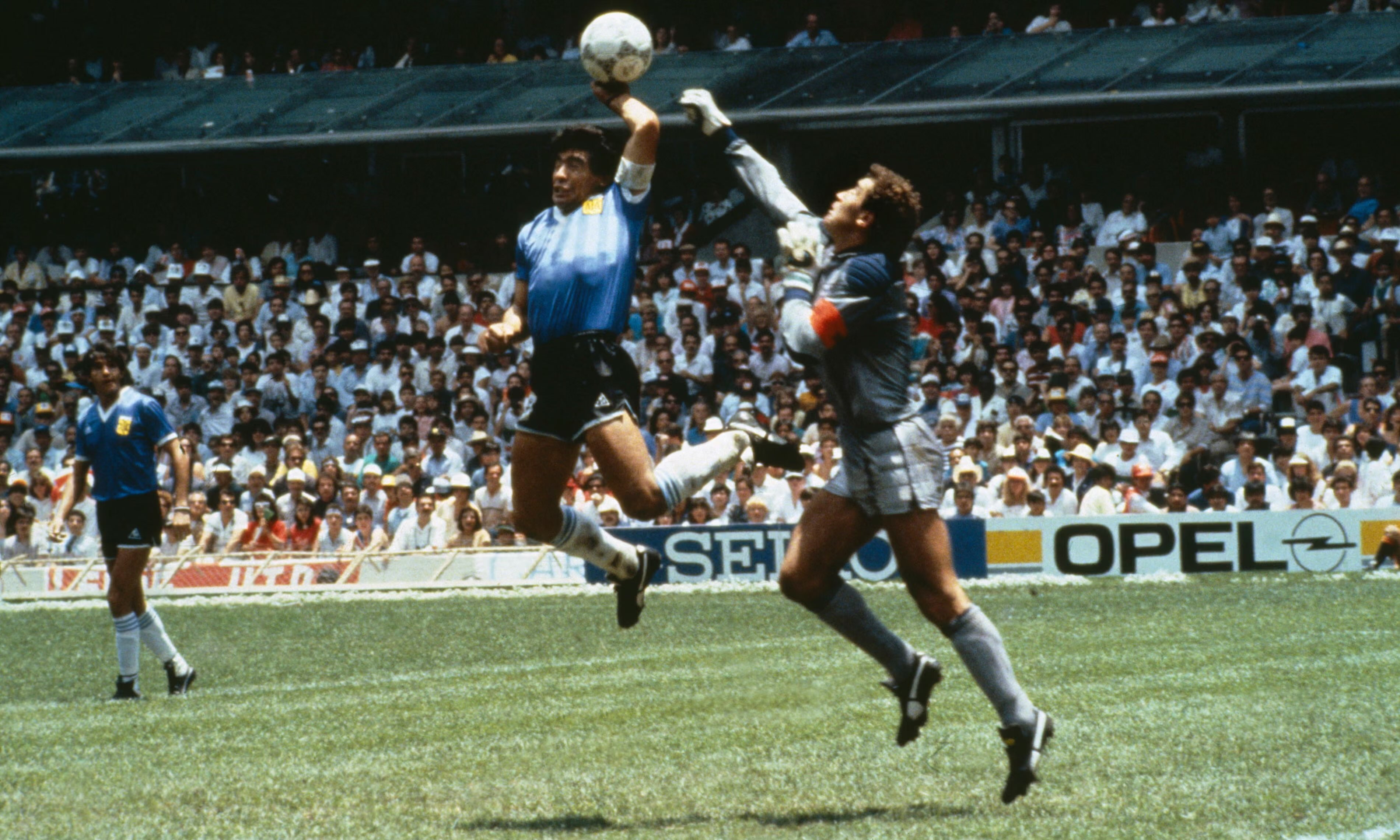
The 1986 World Cup in Mexico remains one of the defining moments in football history. Under the leadership of the legendary Diego Maradona, Argentina produced a remarkable campaign that showcased both brilliance and controversy. Maradona's unforgettable quarter-final against England featured two of the most famous goals ever scored. The first, known as the "Hand of God," came from an illegal handball that escaped the referee's notice. Just minutes later, Maradona scored what many consider the greatest goal in World Cup history, dribbling past five English players before finding the net. Argentina went on to defeat West Germany 3-2 in the final, claiming their second world title and cementing Maradona's status as a football icon.
The following decades brought both promise and disappointment. Argentina consistently qualified for the World Cup and often entered as one of the favourites. The team reached the final again in 1990 but lost narrowly to West Germany. Despite producing world-class talents such as Gabriel Batistuta, Juan Román Riquelme, Javier Mascherano, and later Lionel Messi, tournament success proved elusive for many years.
Lionel Messi's World Cup journey became one of football's most compelling stories. After reaching the final in 2014, Argentina suffered a heartbreaking 1-0 defeat to Germany after extra time. Many questioned whether Messi would ever lift the trophy that would complete his extraordinary career.
That question was answered in spectacular fashion at the 2022 FIFA World Cup in Qatar. Argentina recovered from a shocking opening defeat to Saudi Arabia before embarking on a remarkable run through the knockout stages. Messi inspired his teammates with outstanding performances, while young stars such as Julián Álvarez and Enzo Fernández emerged on the world stage. The final against France has since been hailed as one of the greatest in World Cup history. After an exhilarating 3-3 draw, Argentina triumphed in a dramatic penalty shootout, securing their third World Cup title and finally fulfilling Messi's lifelong dream.
Today, Argentina stands among football's greatest nations, with three World Cup victories and a legacy that spans generations. From the artistry of Maradona to the brilliance of Messi, the country's history at the World Cup reflects not only remarkable sporting achievement but also the deep emotional connection between a nation and its beloved game. Every tournament adds another chapter to Argentina's extraordinary football story, ensuring that its place in World Cup history remains secure for generations to come.