El Coco: The Dark Legend That Haunted Generations
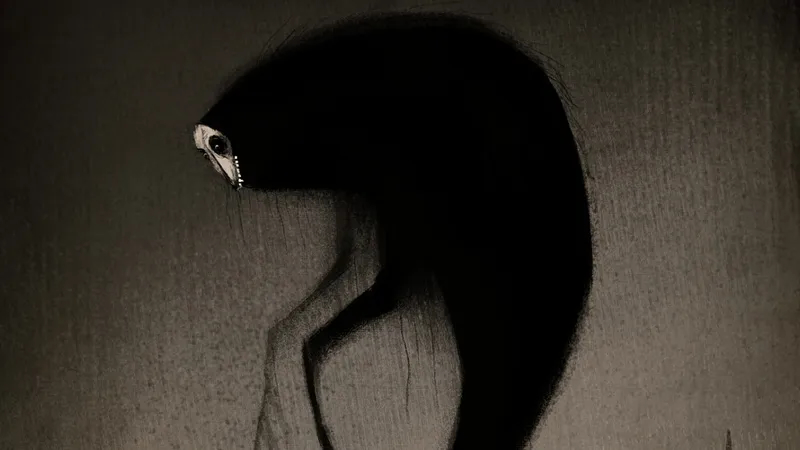
For centuries, parents across Spain, Portugal, and Latin America have warned misbehaving children about a terrifying figure lurking in the darkness: El Coco. Known by various names such as El Cuco, El Cucuy, or Cuca, this mysterious creature is one of the oldest and most enduring figures in Hispanic and Lusophone folklore. While often compared to the English-speaking world's Bogeyman, El Coco has a rich and fascinating history that stretches back hundreds of years.
The origins of El Coco are believed to lie in the regions of Galicia in northwestern Spain and northern Portugal, where stories of a child-stealing monster were passed down through generations. Unlike many mythical creatures, El Coco has no fixed appearance. In some tales, it is a shadowy figure hiding under beds or inside closets. In others, it is a hairy monster, a ghostly presence, or simply an unseen terror lurking in the night. This lack of definition made the legend even more frightening, allowing children to imagine their own worst fears.
The earliest written references to El Coco date back to the fifteenth and sixteenth centuries, demonstrating that the legend was already deeply rooted in Iberian culture. By the seventeenth century, the creature had become a familiar part of traditional lullabies and nursery rhymes. Parents would sing warnings to children who refused to sleep, telling them that El Coco would come and take them away if they did not obey. These songs helped preserve the myth and ensured its survival across generations.
Interestingly, the name "coco" is associated with heads and skulls in several Iberian languages. In Portugal, villagers sometimes carved frightening faces into pumpkins and placed candles inside them to scare people. These lanterns were also called cocas and may have contributed to the monster's imagery. Some scholars even connect these traditions to ancient Celtic customs involving carved heads and skull symbolism.
As Spain and Portugal expanded their empires, the legend of El Coco traveled across the Atlantic. It became part of the folklore of countries such as Mexico, Argentina, Chile, Peru, and Brazil. In each region, the story evolved. In Brazil, for example, the monster became Cuca, often depicted as a female reptilian witch. Elsewhere, El Coco merged with local beliefs and indigenous traditions, creating countless regional variations.
Beyond its role as a childhood scare tactic, El Coco serves an important cultural function. Folklorists view the creature as a symbol of the unknown—an embodiment of darkness, disobedience, and fear itself. Because it lacks a clear form, it can adapt to each generation's anxieties. Modern studies have shown that the legend continues to evolve, incorporating influences from films, television, video games, and internet culture while maintaining its essential role as a figure of childhood fear.
El Coco has also left its mark on art and literature. The Spanish painter Francisco Goya famously depicted the monster in his 1799 painting Que viene el Coco ("Here Comes the Coco"), capturing the terror it inspired in children. In modern popular culture, echoes of the legend can be found in horror novels, films, and television series.
Today, El Coco remains one of the most recognizable figures in Hispanic folklore. Though many children no longer fear the creature as previous generations did, the legend continues to thrive as a powerful reminder of how stories shape culture, preserve traditions, and bring ancient fears to life. More than just a monster, El Coco is a living piece of folklore that has survived for over five centuries.