Julio Iglesias: From Football Dreams to Global Music Icon
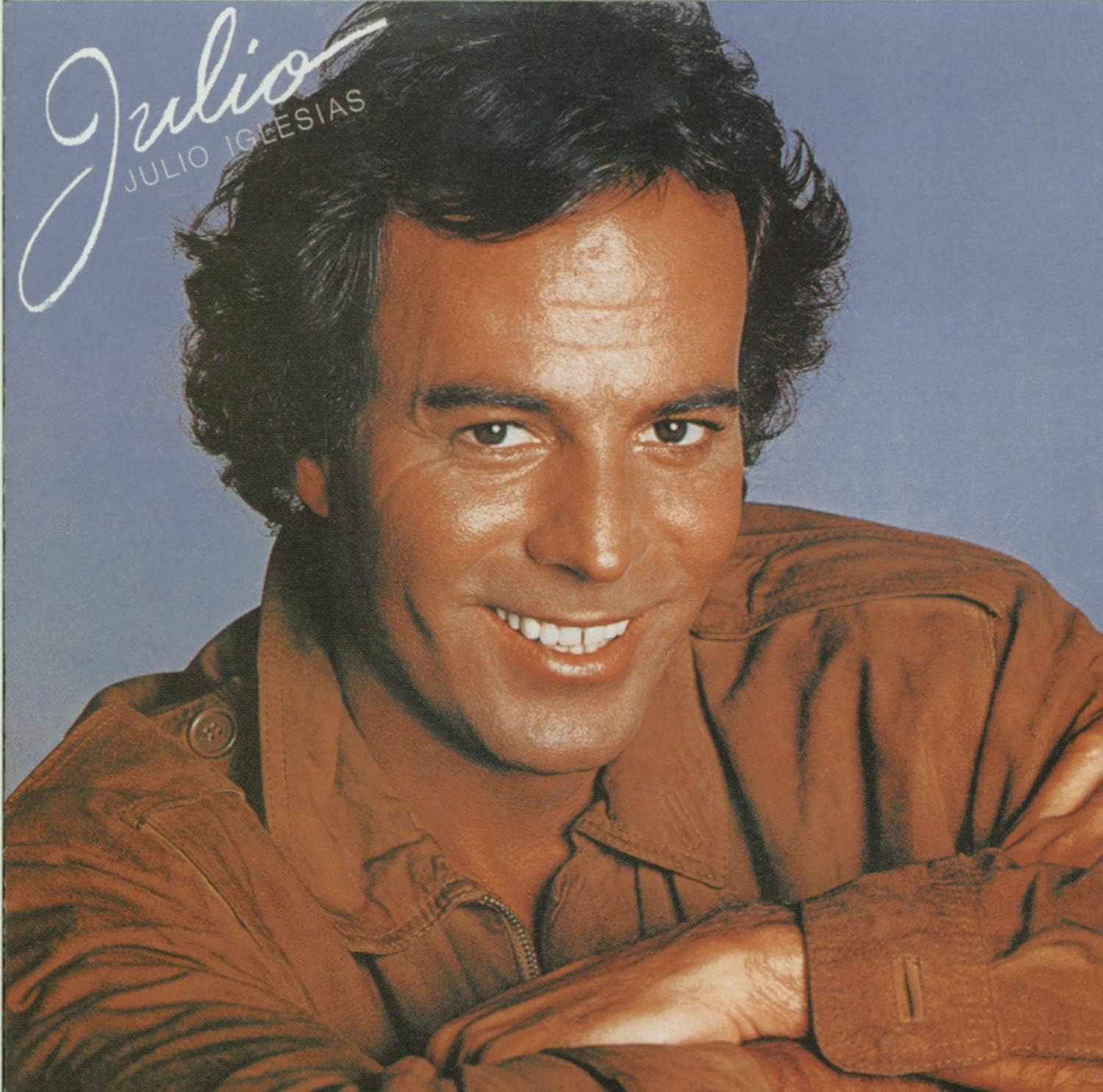
Julio Iglesias was born on September 23, 1943, in Madrid, Spain, into a family that encouraged his talents from an early age. Initially, Julio wasn’t aiming for the spotlight as a singer — he dreamed of becoming a professional footballer and even played as a goalkeeper for Real Madrid while studying law.
His life took a dramatic turn at age 20, when a serious car accident left him partially paralyzed for over a year. During his recovery, a nurse gave him a guitar, sparking a passion that would change the course of his life. Julio spent hours writing poems and listening to music, discovering an emotional depth that would define his songs.
Little by little, he taught himself guitar and began performing on weekends while studying English in Cambridge, UK. There, he met Gwendolyne Bollore, his girlfriend and muse for the song Gwendolyne. A chance encounter at a record label led him to perform his own music, and in 1968, he won the Festival de Benidorm with La vida sigue igual, launching his music career. Soon, he toured internationally and recorded songs in multiple languages, from Spanish and English to Japanese, Portuguese, and German.
In 1979, Julio moved to Miami, signed with CBS International, and became a truly global artist. Albums like De niña a mujer and 1100 Bel Air Place brought him massive success, with hits such as To All the Girls I’ve Loved Before and duets with legends like Diana Ross. He won a Grammy for Un hombre solo in 1988 and collaborated with artists like Stevie Wonder, Frank Sinatra, Dolly Parton, Sting, and Art Garfunkel.
Julio Iglesias’ records speak for themselves: over 300 million albums sold worldwide, 1,000 gold and 500 platinum records, and recognition in the Guinness World Records as the best-selling Latin artist ever. His influence spans decades, languages, and continents.
On the personal side, Julio married Isabel Preysler in 1971, with whom he had three children, including pop star Enrique Iglesias. After their separation, he eventually married Miranda Rijnsburger in 2010, with whom he has five more children. Even in his later years, Julio’s legacy continues to grow, cementing his place as one of the most beloved and successful artists in music history.