La Fada Morgana: A Catalan Fairy Tale of Wisdom and Magic
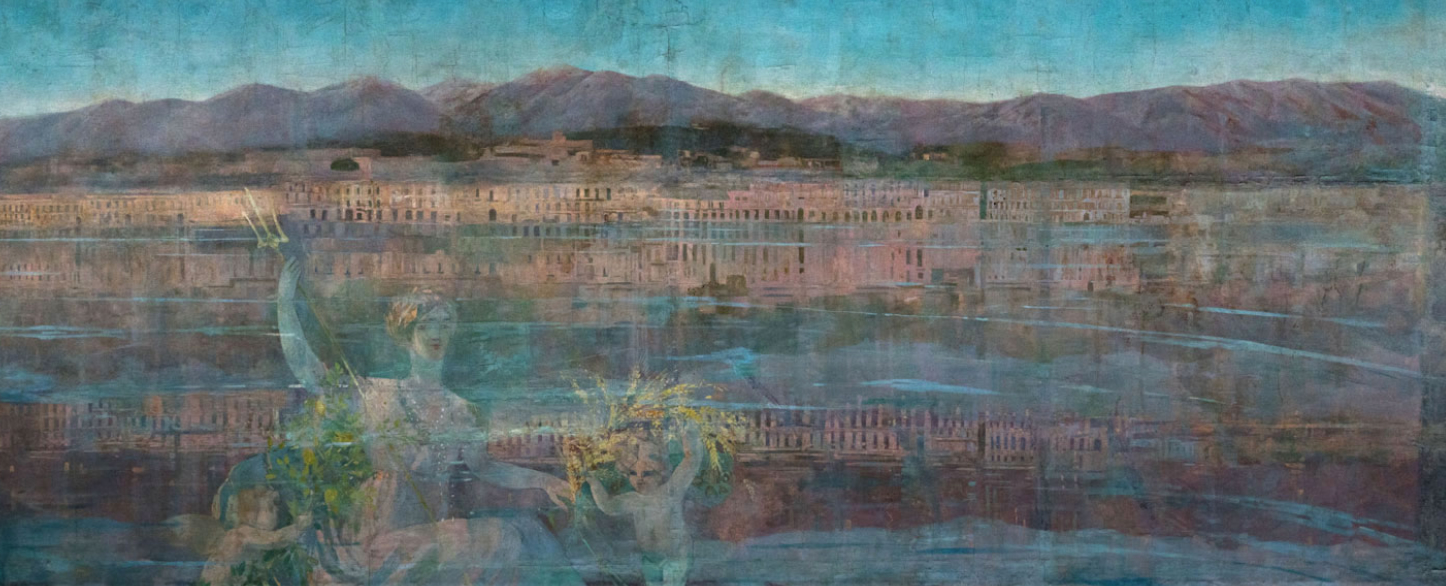
Among the many treasures of Catalan folklore, La Fada Morgana ("The Fairy Morgana") stands out as a captivating story that blends magic, intelligence, and perseverance. Unlike the famous Arthurian enchantress Morgan le Fay, this tale presents Morgana as a powerful fairy queen whose greatest concern is finding a worthy bride for her son. Passed down through oral tradition before being written down in the early twentieth century, La Fada Morgana remains one of the most fascinating examples of the storytelling heritage of the Balearic Islands.
The story was first collected by the Majorcan priest, folklorist, and linguist Antoni Maria Alcover as part of his celebrated collection Aplec de Rondaies Mallorquines, an extensive compilation of traditional Mallorcan folktales. Alcover devoted much of his life to preserving stories that had been shared orally for generations, ensuring that local legends would survive in written form. La Fada Morgana was published in 1930, although the tale itself is undoubtedly much older, reflecting centuries of oral storytelling in Catalonia and Mallorca.
At the heart of the tale is Joana, the intelligent daughter of a humble farmer. When her father boasts that she is wiser than Fairy Morgana herself, the queen summons the young woman to prove the claim. Rather than punishing Joana immediately, Morgana assigns her a seemingly impossible quest: she must travel to the castle of Morgana's mother and retrieve two magical boxes. Along the journey, Joana succeeds not through strength or magic, but by showing kindness, respect, and quick thinking. With secret guidance from Prince Beuteusell, Morgana's son, she overcomes every obstacle and ultimately earns the right to marry the prince.
This emphasis on intelligence over physical power is one of the tale's defining characteristics. Like many traditional European fairy tales, La Fada Morgana rewards virtues such as humility, compassion, and wisdom. Joana's success comes from observing, listening, and treating others with respect rather than relying on magical powers of her own.
Folklorists have long recognised that the story belongs to a much wider family of European folk tales. It is generally classified as part of the international "Animal as Bridegroom" cycle, specifically the Aarne–Thompson–Uther tale type ATU 425B, often known as "The Son of the Witch." This group of stories shares common themes of difficult tasks, enchanted families, and clever heroines who must prove themselves before earning happiness. Similar motifs can be found in tales from Spain, Italy, Germany, Russia, and even ancient myths such as the story of Cupid and Psyche.
The character of Fairy Morgana also reflects the influence of medieval European mythology. Her name connects her to Morgan le Fay, the legendary enchantress of Arthurian literature who first appeared in Geoffrey of Monmouth's Vita Merlini during the twelfth century. Over time, Morgan evolved from a benevolent healer into one of Arthurian legend's most mysterious magical figures. While the Morgana of the Catalan fairy tale is not identical to her Arthurian counterpart, both represent powerful women associated with wisdom, enchantment, and supernatural authority.
Today, La Fada Morgana continues to be celebrated as part of Catalonia's rich cultural heritage. It serves as both an entertaining fairy tale and a reminder of the importance of preserving oral traditions. More than a simple story about magic, it is a timeless celebration of intelligence, courage, and the belief that kindness and wisdom are the greatest forms of power.