Marianne: The Woman Who Became the Symbol of the French Republic
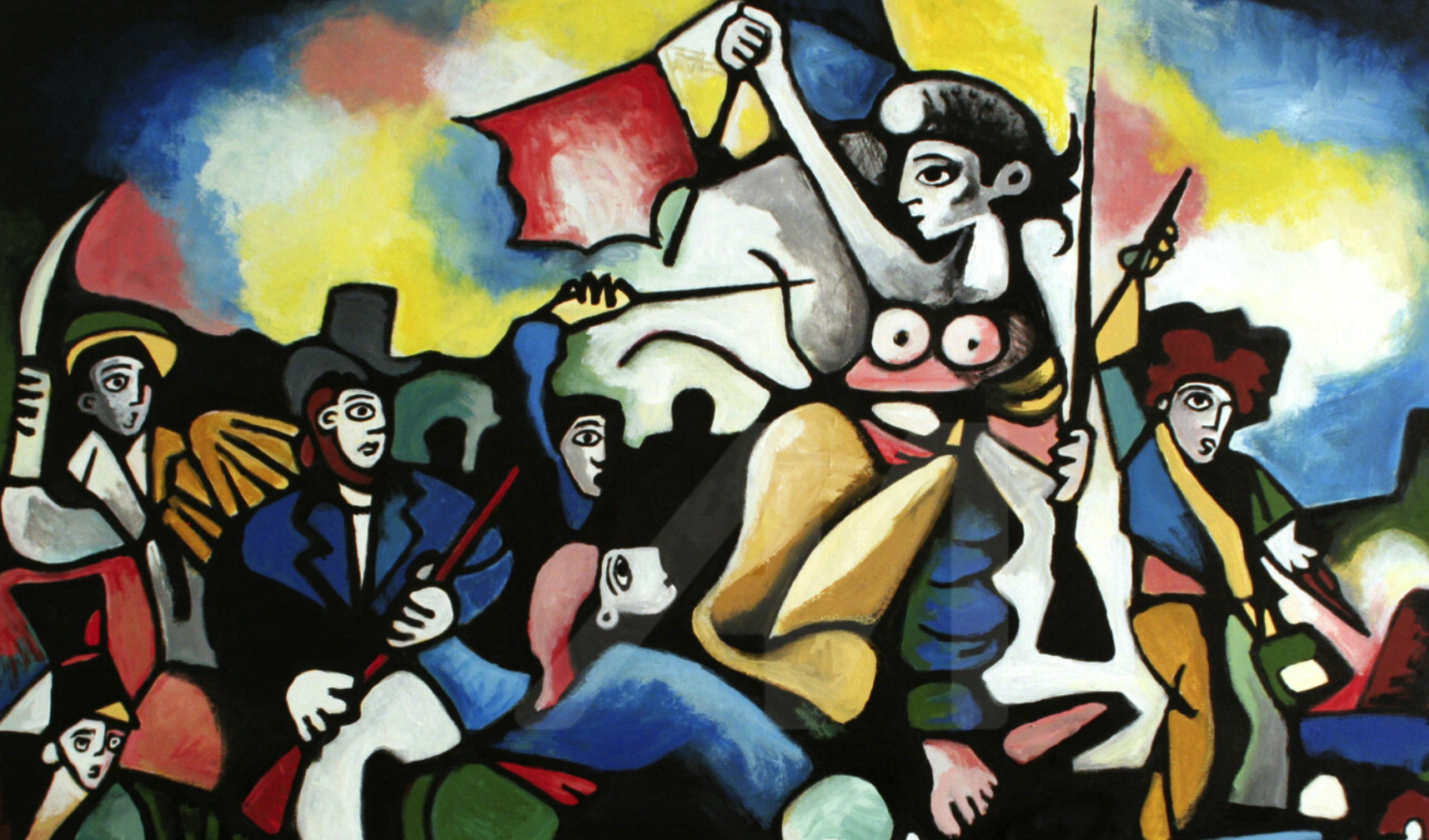
Few national symbols are as instantly recognisable as Marianne, the graceful yet powerful female figure who embodies the ideals of the French Republic. Wearing a Phrygian cap, often associated with liberty and revolution, Marianne represents freedom, equality, fraternity and the enduring spirit of the French people. Her image appears on French coins, postage stamps, official documents and public buildings, making her one of the most important symbols of French national identity.
The origins of Marianne can be traced back to the French Revolution of 1789, when the monarchy was challenged and the principles of liberty and popular sovereignty began to reshape the country. Revolutionary artists frequently used female allegorical figures to represent Liberty and Reason. The choice of a woman was inspired by classical traditions, in which female figures personified abstract ideas such as justice, wisdom and freedom. The Phrygian cap, worn by freed slaves in ancient Rome, became a particularly powerful emblem of emancipation and resistance to oppression.
The name Marianne emerged during the revolutionary period, although its precise origins remain uncertain. It was a popular combination of the names Marie and Anne, common among ordinary French women. Some historians believe that the name was initially used mockingly by royalists to describe the Republic, but it was gradually embraced by supporters of the revolutionary ideals. Over time, Marianne became a familiar and affectionate representation of the French nation.
During the nineteenth century, Marianne's image evolved alongside France's turbulent political history. Following the fall of Napoleon and the restoration of the monarchy, her representation became associated with republican resistance. During the Revolution of 1848, which established the Second Republic, Marianne once again emerged as a powerful emblem of liberty and popular sovereignty. However, different political movements portrayed her in contrasting ways: sometimes as a revolutionary warrior, sometimes as a peaceful and dignified mother figure.
Her position became firmly established with the creation of the Third Republic in 1870. As republican institutions strengthened, Marianne became the official personification of the French state. Busts of her began appearing in town halls across the country, often displaying a Phrygian cap and occasionally wearing a crown of laurel leaves. These sculptures helped bring the Republic's ideals into everyday public life.
Interestingly, Marianne has sometimes been represented with the faces of famous French women. During the twentieth century, actresses and public figures such as Brigitte Bardot and Catherine Deneuve became models for official busts of the national symbol. These choices reflected changing ideas of beauty, femininity and French cultural identity.
Today, Marianne remains an essential emblem of France. Her image appears on the official seal of the Republic, on coins and stamps, and in countless public institutions. Although her appearance has changed over the centuries, her symbolic meaning has remained remarkably consistent.
More than a simple national emblem, Marianne represents the historical struggle for democracy, civil rights and freedom. She is a reminder of the revolutionary ideals that transformed France and influenced political movements throughout the world. Neither a real historical individual nor merely an artistic invention, Marianne is the embodiment of a nation's aspirations: a woman who continues to personify the spirit of the French Republic.