Miguel de Cervantes: The Man Behind Don Quixote’s Dream
Long before modern novels filled bookshelves, one man changed storytelling forever — Miguel de Cervantes. Born in 1547 in Alcalá de Henares, Cervantes lived a life that was anything but ordinary. Soldier, prisoner, tax collector — his experiences were as dramatic as any fiction he would later write. But it was his imagination that gave the world one of its most unforgettable characters: Don Quixote.
Cervantes’ life was filled with hardship. He fought bravely in the Battle of Lepanto, where he was injured and lost the use of one hand. Later, he was captured by pirates and spent five years as a prisoner in Algiers. These struggles shaped his view of the world — one where reality could be harsh, but imagination offered escape.
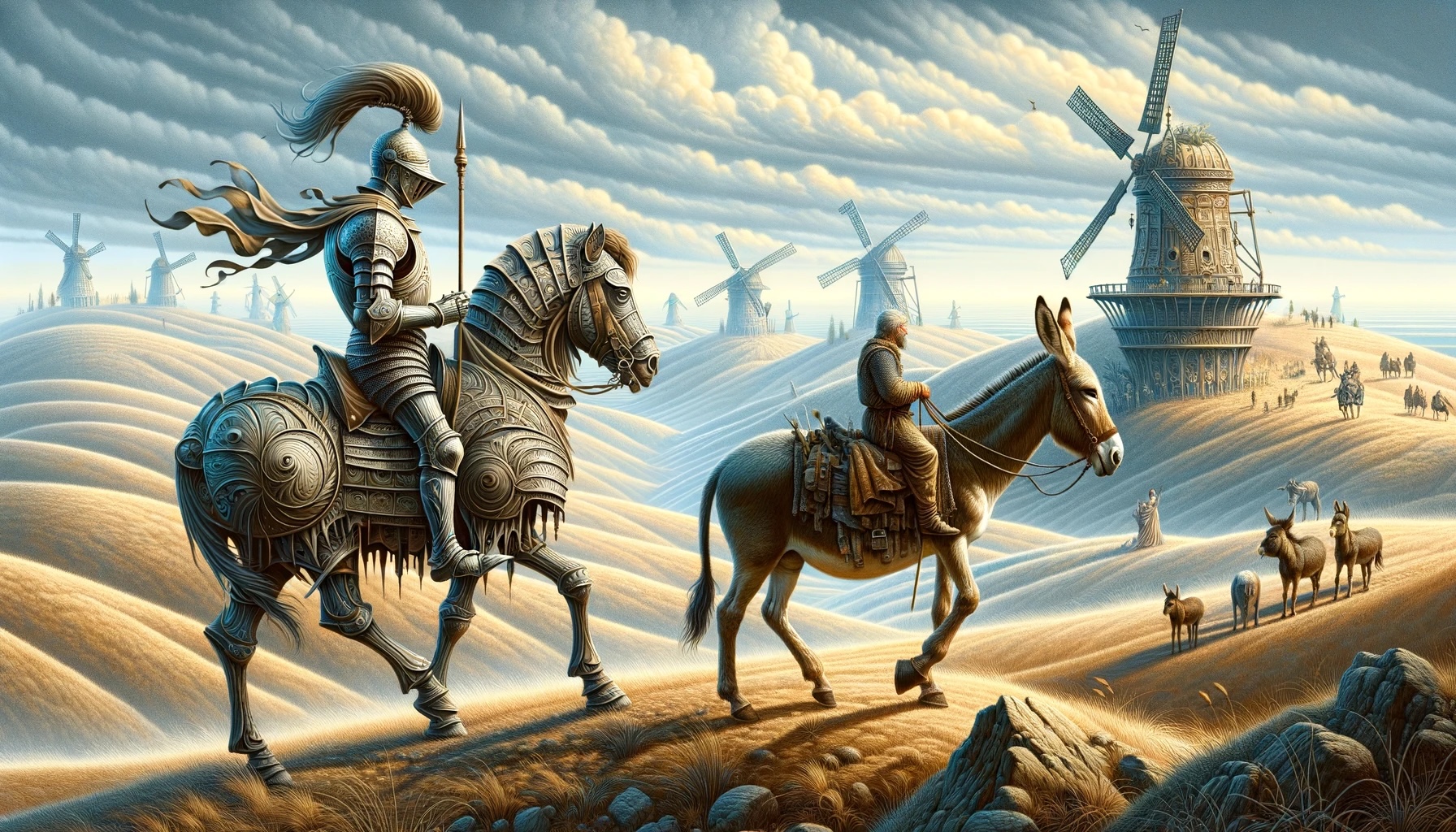
That idea came to life in his masterpiece, Don Quixote, first published in 1605. The story follows Alonso Quixano, a man so obsessed with tales of chivalry that he reinvents himself as Don Quixote, a wandering knight determined to revive honor and justice. Armed with a rusty armour and an old horse, he sets out on grand adventures — seeing giants where there are windmills and castles where there are inns.
But Don Quixote is much more than a comedy. Through the character’s delusions, Cervantes explores the tension between dreams and reality. Don Quixote’s loyal companion, Sancho Panza, often brings him back to earth, yet even he begins to believe in his master’s vision. It’s this blend of humor, philosophy, and humanity that makes the novel timeless.
Today, Don Quixote is considered one of the greatest works of literature ever written — often called the first modern novel. Cervantes may have struggled in his lifetime, but his creation achieved immortality.
In the end, Don Quixote reminds us of something simple yet powerful: the world might not always match our dreams, but sometimes, seeing it through imagination makes the journey far more meaningful.