Notre-Dame’s Gargoyles
Guardians of the Gothic: The Story Behind Notre-Dame’s Gargoyles
How these eerie stone creatures went from rain spouts to icons of Parisian magic
The gargoyles of Notre-Dame Cathedral are easily some of the most unforgettable sights in Paris. Perched high above the city, these creepy yet captivating stone creatures have been watching over Notre-Dame for centuries — and they’ve got quite a story to tell.
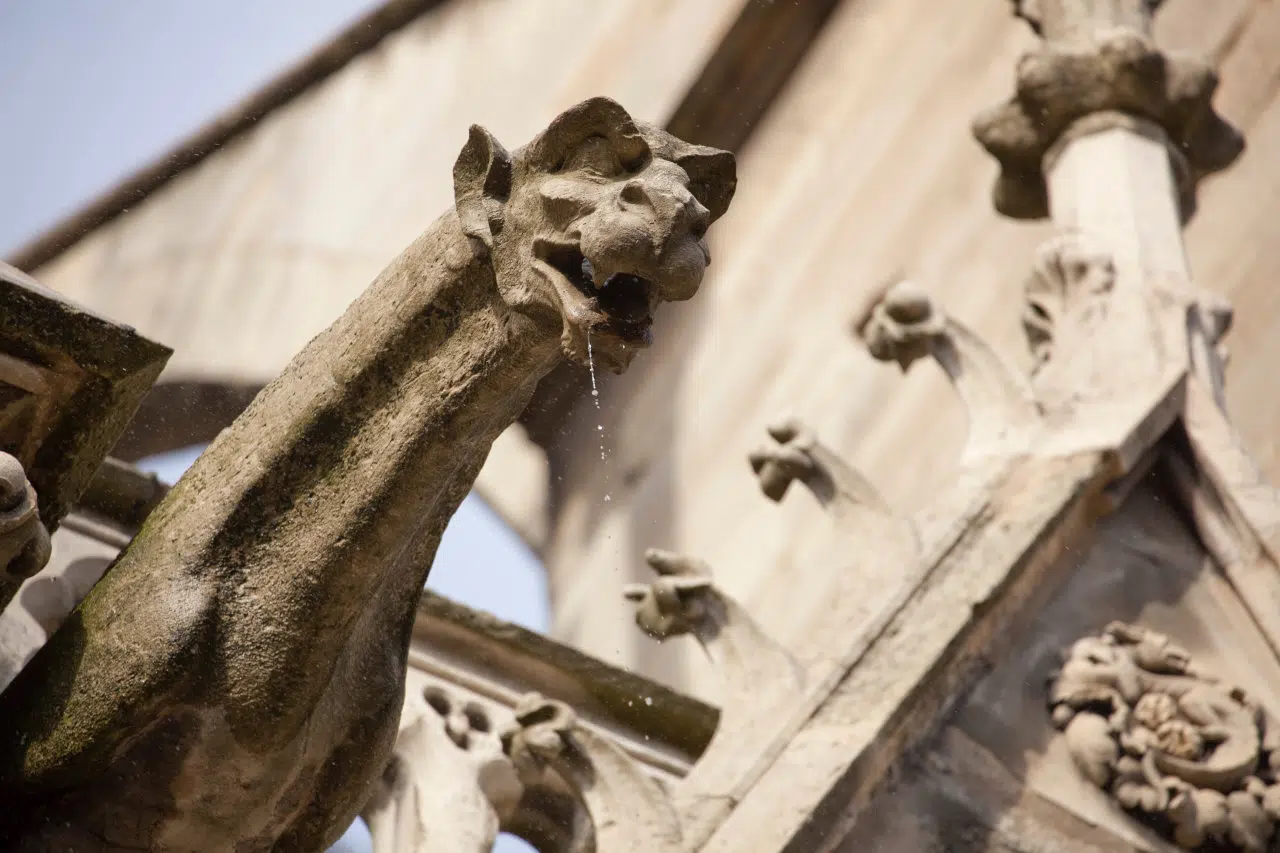
At first glance, the gargoyles might look like pure decoration, but they actually had a practical job. The name “gargoyle” comes from the Latin gorge and Old French gueule, meaning “mouth,” and that’s exactly what they are — fancy rain spouts. Back in medieval times, builders designed them to funnel rainwater away from the cathedral’s walls so the stone wouldn’t erode. That’s why they jut out from the edges of the roof and flying buttresses — to spit the water far away from the building.
Of course, medieval architects didn’t stop at “functional.” They gave these gargoyles fierce, wild faces meant to scare off evil spirits and remind people of the dangers of sin. So, while they were keeping the cathedral dry, they were also protecting it spiritually — a perfect mix of practicality and superstition.
Fun fact: not all of the creatures on Notre-Dame are real gargoyles. Many are “grotesques” or “chimeras” — purely decorative statues that don’t drain water at all. One of the most famous is the “Stryga,” a thoughtful-looking monster resting itsFun fact: not all of the creatures on Notre-Dame are real gargoyles. Many are “grotesques” or “chimeras” — purely decorative statues that don’t drain water at all. One of the most famous is the “Stryga,” a thoughtful-looking monster resting its chin on its hands as it gazes out over Paris. It’s become one of the most recognizable symbols of the cathedral.
Over time, the original gargoyles from the 12th and 13th centuries took a beating from the elements, so in the 1800s, architect Eugène Viollet-le-Duc gave them a major makeover. He replaced damaged figures and even designed a few new ones of his own.
After the devastating fire in 2019, the gargoyles took on a new meaning — they became symbols of Notre-Dame’s resilience and the effort to restore it. Today, these stone guardians still keep watch over Paris, a reminder of medieval creativity, craftsmanship, and imagination. They may not actually come to life at night (sorry, Disney fans), but their presence still makes Notre-Dame feel truly magical.