Profiteroles: A Little History of a Beloved French Dessert
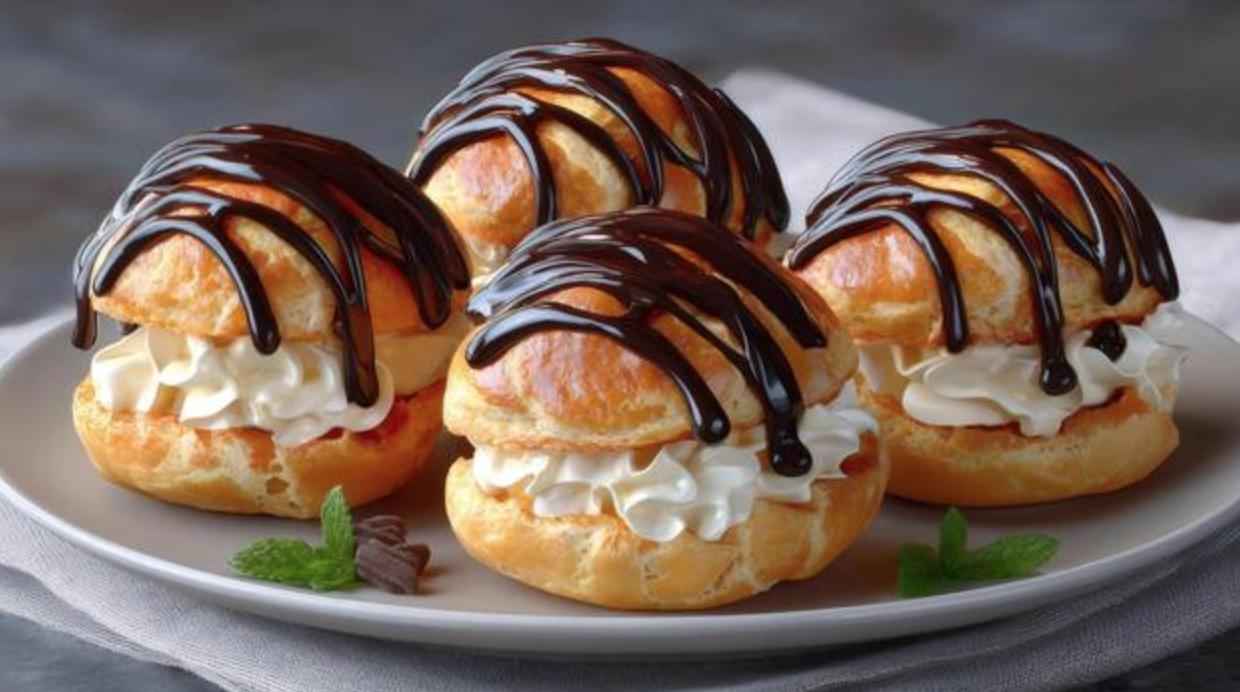
Few desserts look as elegant and inviting as profiteroles. Small, golden balls of choux pastry filled with cream and covered in warm chocolate sauce, they have become a classic of French patisserie. Yet, like many famous European desserts, their story is more complicated than their distinctly French appearance suggests.
The origins of profiteroles can be traced back to Renaissance Europe, when choux pastry itself was beginning to develop. The story is often associated with Catherine de’ Medici, the Italian noblewoman who became Queen of France in the sixteenth century. When she moved to France in 1533, she brought members of her Florentine household with her, including cooks and pastry makers. Among them was the chef Popelini, who is traditionally credited with developing an early form of pâte à choux. His pastry, known as pâte à la royale or popelins, was baked rather than fried and gradually evolved into the light, hollow pastry we recognise today.
The name profiterole, however, appeared much later. In older French, the word profiterolle referred to a small reward or benefit, and eventually became associated with a small pastry. By the seventeenth and eighteenth centuries, choux pastry had become increasingly popular in French cooking, appearing in both sweet and savoury preparations.
The dessert we know today emerged gradually. Early profiteroles were not necessarily filled with cream or covered in chocolate. They could contain various fillings, including savoury mixtures, while sweet versions might be filled with pastry cream, whipped cream or ice cream. It was during the nineteenth century, as French pastry-making became increasingly sophisticated, that filled choux pastries became a fixture of professional pâtisseries.
Chocolate eventually became the classic finishing touch. The combination of crisp, delicate choux pastry, cool cream and rich chocolate sauce created the contrast that made profiteroles so irresistible. Some versions were served individually, while others were arranged dramatically into towers or elaborate desserts for celebrations.
Profiteroles also became closely connected with another famous French creation: croquembouche. In this spectacular dessert, filled choux pastries are stacked into a cone and held together with caramel. Although croquembouche is traditionally associated with weddings and celebrations, the individual pastries at its heart are essentially close relatives of profiteroles.
Today, profiteroles can be found far beyond France. They have become popular throughout Europe and in many other parts of the world, with countless variations involving vanilla, chocolate, coffee, caramel, ice cream and different types of cream.
What makes profiteroles so enduring is their simplicity. The pastry itself contains relatively few ingredients, yet its preparation requires skill: the dough must be cooked correctly, the pastries must rise into hollow golden shells, and the filling and sauce must provide the right balance. From Renaissance kitchens to modern restaurants and home kitchens, profiteroles have survived because they transform humble ingredients into something genuinely luxurious.
More than just a French dessert, profiteroles represent the long evolution of European pastry-making—a delicious reminder that some of the world's greatest culinary traditions are built over centuries, one small pastry at a time.