The History of the Côte d'Azur: From Ancient Shores to the French Riviera
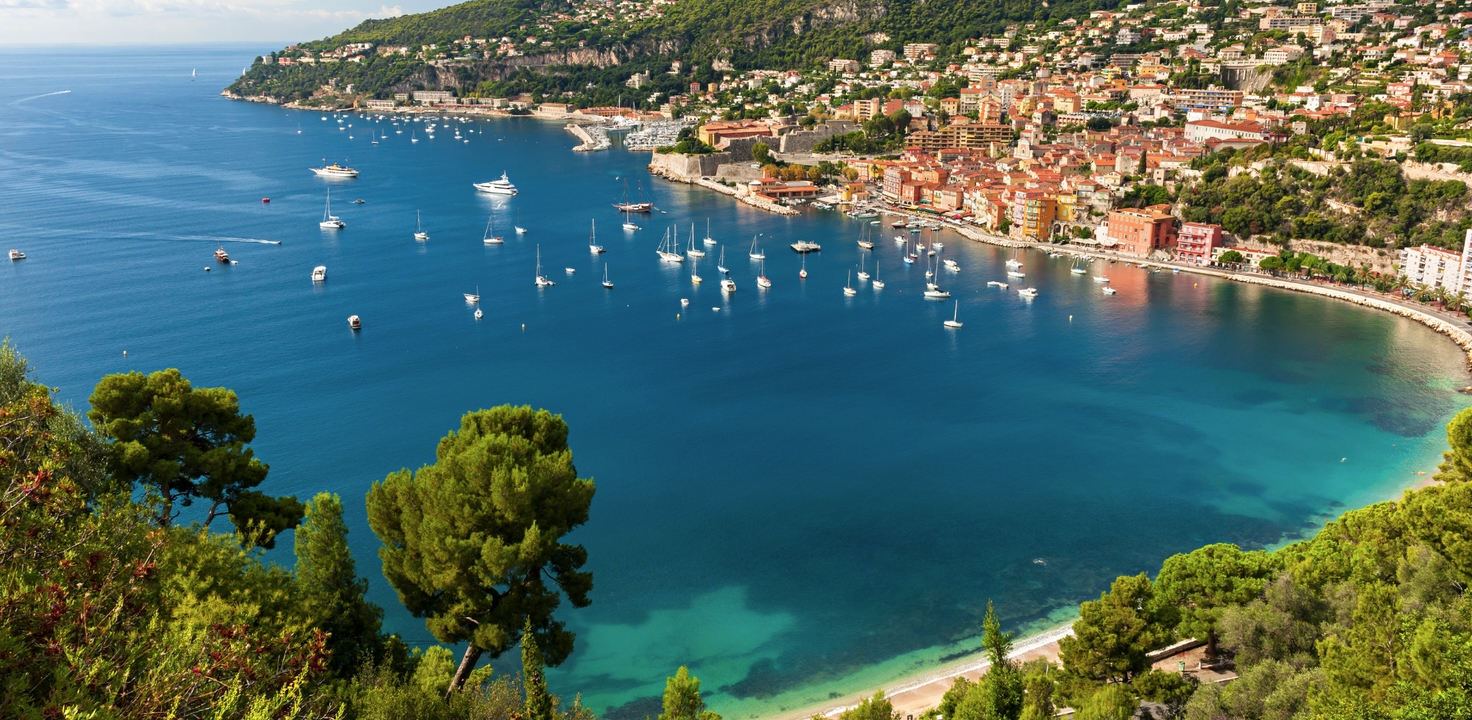
The Côte d'Azur, better known to many as the French Riviera, is one of Europe's most glamorous coastlines. Stretching along the southeastern coast of France from the Italian border to around Toulon, it is famous for its crystal-clear Mediterranean waters, luxury resorts, and picturesque villages. Yet behind its modern reputation lies a fascinating history spanning thousands of years, shaped by traders, emperors, artists, and aristocrats.
The story of the Côte d'Azur begins long before it became a holiday destination. Archaeological discoveries show that prehistoric communities lived along the coast over 400,000 years ago. Caves near Nice contain evidence of some of Europe's earliest human settlements, while the mild climate and abundant natural resources made the region an attractive place to live throughout the Stone Age.
By the first millennium BC, Greek sailors had established trading colonies along the Mediterranean coast. One of the most important was Massalia, now Marseille, founded around 600 BC. Greek influence introduced new trade routes, agriculture, and culture to the surrounding region. Later, the Romans expanded their empire into southern Gaul, transforming the coastline with roads, ports, and prosperous towns. Cities such as Fréjus, then known as Forum Julii, became important naval bases, while Nice, originally founded by the Greeks as Nikaia, flourished under Roman rule.
Following the collapse of the Roman Empire, the Côte d'Azur entered a turbulent period marked by invasions from Visigoths, Franks, and Saracens. During the Middle Ages, numerous fortified villages were built on hilltops to protect residents from pirate raids and military attacks. Many of these medieval settlements, including Èze, Saint-Paul-de-Vence, and Roquebrune, still retain their narrow streets and ancient stone walls, offering visitors a glimpse into the region's past.
The Renaissance brought greater political stability, although control of the area frequently shifted between France, the Duchy of Savoy, and various Italian states. Because of its strategic location along Mediterranean trade routes, the coastline remained highly contested for centuries. It was not until the nineteenth century that the region began to develop the identity for which it is now famous.
The transformation started when British aristocrats discovered the Riviera's mild winter climate. Wealthy families travelled south to escape the cold winters of northern Europe, building elegant villas and grand hotels. The arrival of the railway in the 1860s made the journey much easier, allowing increasing numbers of visitors to experience the coastline's beauty. Towns such as Nice, Cannes, and Menton flourished as fashionable resorts, while Monaco became synonymous with luxury after the opening of its famous casino.
The twentieth century cemented the Côte d'Azur's international reputation. Artists including Henri Matisse, Pablo Picasso, and Marc Chagall found inspiration in the region's brilliant light and colourful landscapes. Writers such as F. Scott Fitzgerald captured the glamour of the Riviera during the Roaring Twenties, while the Cannes Film Festival, established in 1946, turned the coastline into one of the world's most celebrated cultural destinations.
Today, the Côte d'Azur attracts millions of visitors every year. While its luxury yachts, designer boutiques, and glamorous beaches dominate popular imagination, its true appeal lies in the remarkable layers of history hidden beneath the sunshine. From prehistoric caves and Roman ruins to medieval villages and Belle Époque architecture, the French Riviera offers far more than spectacular scenery. It is a place where thousands of years of history continue to shape one of Europe's most iconic coastlines, making every visit a journey through both time and beauty.