The Spanish Siesta: Tradition, History, and Modern Life
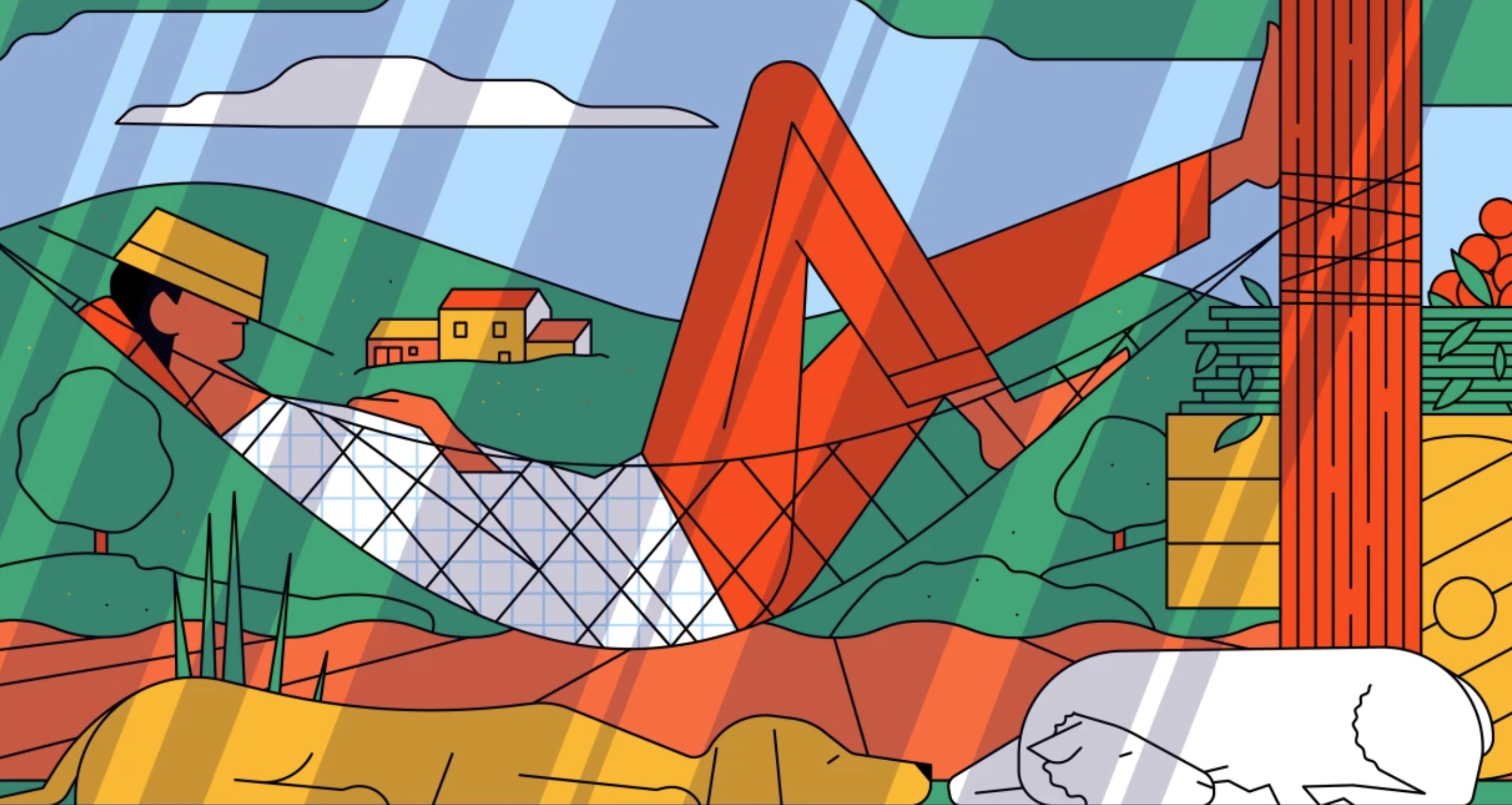
Few customs are as closely associated with Spain as the siesta. Often imagined as an afternoon nap enjoyed by everyone across the country, the siesta has become an international symbol of the relaxed Mediterranean lifestyle. While the reality of modern Spain is more complex, the tradition remains an important part of the country's cultural identity and reflects centuries of history, climate, and social customs.
The origins of the siesta can be traced back to ancient times. The word siesta comes from the Latin expression hora sexta, meaning "the sixth hour" after sunrise, which corresponded roughly to midday. During this period, Romans would interrupt their work to eat and rest before returning to their daily activities. This practice was particularly practical in southern Europe, where the intense afternoon heat made physical labour both difficult and exhausting.
Throughout the Middle Ages and well into the nineteenth century, the siesta became deeply rooted in Spanish rural life. Farmers, shepherds, and labourers would begin work before sunrise, pause during the hottest hours of the day, and resume their tasks later in the afternoon when temperatures became more comfortable. The midday break was therefore not simply a luxury but an adaptation to Spain's climate and agricultural way of life.
As Spain industrialised during the twentieth century, the tradition evolved. Many businesses continued to close for several hours after lunch, allowing employees to return home for a meal with their families and, in some cases, a short rest. This long lunch break became one of the defining characteristics of Spanish daily life, contributing to the country's famously late dinners and vibrant evening social culture.
Today, however, the classic siesta is far less common than many visitors expect. In large cities such as Madrid and Barcelona, most offices follow continuous working hours similar to those in the rest of Europe. Busy urban lifestyles, longer commuting times, and the demands of international business have significantly reduced opportunities for an afternoon nap. Nevertheless, some small businesses still close during the early afternoon, particularly in smaller towns and rural communities, preserving a tradition that has endured for generations.
Although the siesta is no longer a daily routine for most Spaniards, it continues to represent a broader philosophy that values balance between work, family, and personal well-being. It serves as a reminder that cultural traditions often emerge from practical needs before becoming enduring symbols of national identity. Whether experienced as a brief afternoon rest or remembered as a cherished custom, the Spanish siesta remains one of the country's most fascinating and enduring cultural traditions.