Tour de France: The World's Greatest Cycling Challenge
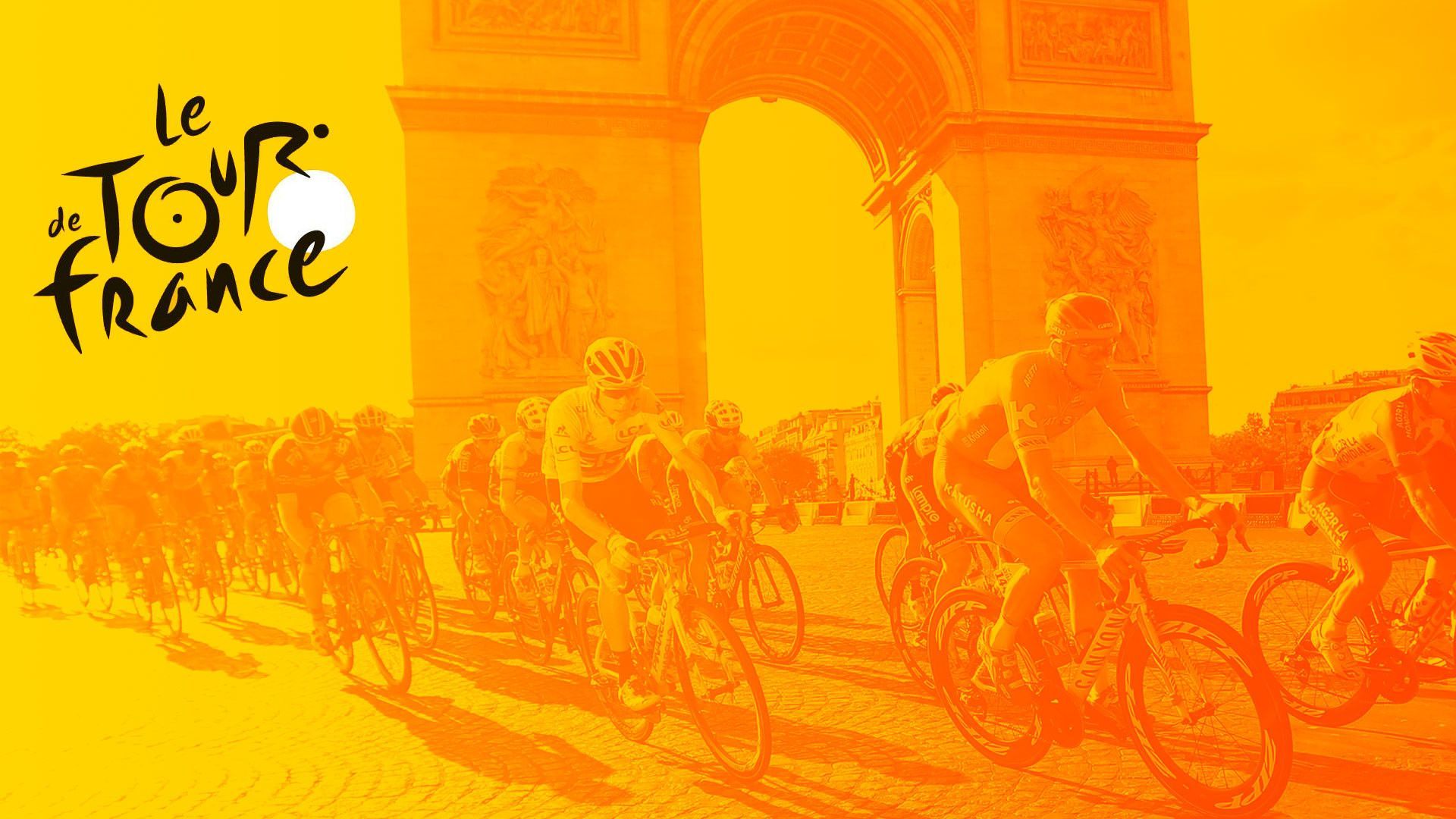
Every July, millions of fans line the roads of France while millions more watch from around the world as cyclists tackle one of the toughest sporting events ever created—the Tour de France. Combining breathtaking scenery, incredible athleticism, and over a century of history, the Tour is far more than just a cycling race. It is a celebration of endurance, strategy, and the human spirit.
The Tour de France was first held in 1903 as a way to boost sales for the French newspaper L'Auto. What began as a publicity stunt quickly became a national event and eventually the most prestigious race in professional cycling. Today, it forms part of the sport's three "Grand Tours," alongside the Giro d'Italia and Spain's Vuelta a España, but the Tour remains the most famous and widely followed.
The race usually lasts 21 stages over 23 days, covering approximately 3,300 to 3,600 kilometers. Riders travel through a variety of landscapes, from flat countryside roads and rolling hills to the towering peaks of the Alps and the Pyrenees. The route changes every year, ensuring that no two editions are exactly alike and presenting new challenges for both seasoned champions and first-time competitors.
Winning the Tour requires much more than simply being the fastest cyclist. Riders compete as members of carefully organized teams, with each teammate playing a specific role. Some riders help protect their team leader from the wind, others fetch food and water, while climbers shine in the mountains and sprinters battle for victory on flat stages. Success depends on teamwork, tactical planning, and knowing exactly when to conserve energy or launch an attack.
One of the Tour's most recognizable features is its collection of colored jerseys. The yellow jersey, known as the Maillot Jaune, is awarded to the rider with the lowest overall time and is the race's ultimate prize. The green jersey rewards consistency in sprint finishes, while the polka-dot jersey belongs to the best mountain climber. The white jersey recognizes the best young rider under the age of 26, giving future stars a chance to shine on cycling's biggest stage.
Throughout its history, the Tour de France has produced unforgettable champions and dramatic moments. Legendary cyclists such as Jacques Anquetil, Eddy Merckx, Bernard Hinault, and Miguel Induráin became household names through their remarkable performances. More recently, the rivalry between riders like Tadej Pogačar and Jonas Vingegaard has introduced a new generation of fans to the excitement of the race.
The Tour is not without controversy. Over the years, cycling has faced major challenges involving performance-enhancing drugs, leading to stricter testing and tougher regulations. These efforts have helped restore confidence in the sport while emphasizing fair competition.
What truly makes the Tour de France unique, however, is its atmosphere. Spectators gather hours before the riders arrive, turning mountain climbs and village streets into vibrant festivals. Along the way, viewers enjoy stunning views of castles, vineyards, lavender fields, and historic towns, making the Tour as much a showcase of France's culture and landscapes as it is a sporting event.
More than 120 years after its first edition, the Tour de France continues to inspire athletes and fans alike. It remains the ultimate test of strength, resilience, and determination, proving each summer why it is widely regarded as the greatest cycling race in the world.