Walking the Camino de Santiago: A Journey of Soul, Story, and Discovery
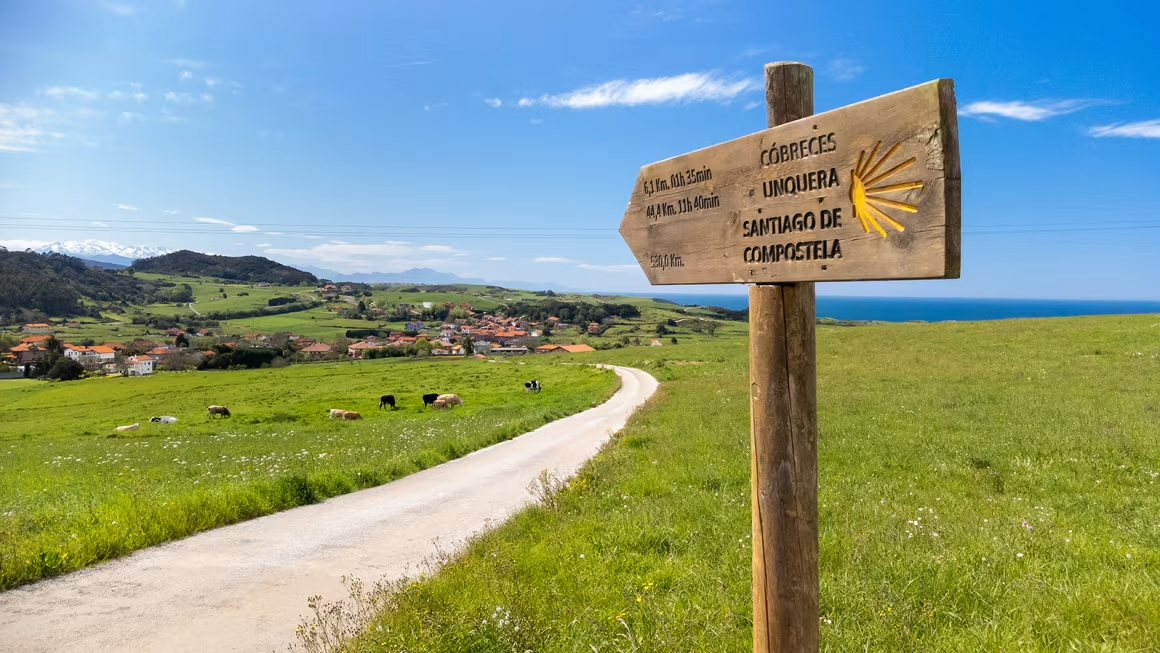
Every year, thousands of travelers lace up their boots and set off on one of the most meaningful journeys in the world — the Camino de Santiago. Also known as the Way of St. James, this network of pilgrimage routes stretches across Europe, all leading to the stunning Santiago de Compostela Cathedral in northwestern Spain. But the Camino is far more than just a hike — it’s an experience that blends history, culture, and personal reflection.
The origins of the Camino date back to the Middle Ages, when pilgrims began walking to the shrine of Saint James, one of Jesus’s apostles. Over time, the route became one of the most important Christian pilgrimages, alongside Rome and Jerusalem. Today, people walk the Camino for many reasons — spiritual growth, adventure, healing, or simply the desire to disconnect from everyday life.
There isn’t just one Camino — there are many. The most popular is the Camino Francés, which begins in the French town of Saint-Jean-Pied-de-Port and winds its way through northern Spain. Along the route, walkers pass through charming villages, rolling vineyards, and historic cities like Pamplona and León. Each step reveals something new — a breathtaking landscape, a quiet church, or a conversation with a fellow pilgrim from across the world.
What makes the Camino truly special is its rhythm. Days begin early, with the sound of footsteps and the golden glow of sunrise. Pilgrims walk for hours, guided by yellow arrows and scallop shell symbols, before arriving at simple hostels known as albergues. Evenings are often spent sharing meals, stories, and laughter — forming connections that feel surprisingly deep for such a short time.
The journey can be physically demanding, but that’s part of its magic. Somewhere along the way, the blisters and tired legs give way to clarity. Many pilgrims describe the Camino as life-changing — not because of a single moment, but because of the quiet transformation that happens step by step.
Reaching Santiago is emotional. Standing before the cathedral after hundreds of kilometers, there’s a sense of accomplishment, gratitude, and reflection. Yet for many, the real reward isn’t the destination — it’s the journey itself.
The Camino de Santiago isn’t just a path across Spain. It’s a path inward — one that stays with you long after the walk is over.